

Shane Lowry's irons trajectory: high or low
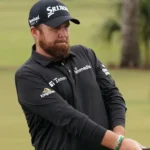
A 3-iron that soars 110 feet to stop the ball on a firm green, and then the same club that doesn't go more than 30 feet: Shane Lowry demonstrates the adjustments that make the difference between the two shots and explains why you need to swing more gently to keep the ball low.
To be continued
What the lesson shows
With his irons, Shane Lowry doesn't try to position himself behind the ball the way he does with his driver: he swing while staying over the ball, especially with his upper body, to avoid having to swing back toward it at impact. His 3-iron, a utility-style club, is his go-to club for everything. To stop the ball on a firm green 230 yards away, he moves the ball forward into his stance, aim slightly to the left and look for a high, sweeping cut, with the feeling of striking the ball on the upswing and staying a little further behind it. It barely takes a divot. The ball tracker shows a height of 110 feet.
To actually hit as low as possible, he does the opposite: ball positioned further back, more square stance, slightly narrower stance and a slight draw. He only hits at 80 or 90 percent of his strength, because the harder you hit the ball, the more spin it gets and the higher it goes. The result: 30 feet high. He and his coach, Neil Manship, share a simple idea: intention creates movement. Visualize the shot, and the body adjusts to execute it.
The Exercise, Step by Step
- Using a mid-iron, swing while staying over the ball, turning your chest to the right without sliding.
- For a high shot, move the ball forward in your stance and aim slightly to the left.
- Look for that feeling of striking the ball as you swing up, staying slightly behind the ball.
- For a low shot, move the ball back and square up the clubface.
- Tighten the stance a little.
- Swing at 80 or 90 percent of your power, with a slight draw.
- Before each shot, visualize the desired trajectory and let your body adjust to it.
Key Takeaways
Mistakes to Avoid
- Step away from the ball with your feet, then have to step back toward it to hit it.
- Hit the ball harder to keep it low when playing into the wind: it will rise more.
- Maintain the same ball position for both high and low shots.
- Look for a divot on a shot you want to hit very high.
- To play without having visualized the trajectory.
Driving Range Mode
Keep it in plain sight, on the rug.
- Same club, alternating between a high shot and a low shot
- Floor marker for the forward or back position of the ball
- Low shots at 80–90% power
- Visualizing the trajectory before each shot
Your Questions
Why does Lowry hit the ball less hard to keep it low?
The harder he hits the ball, the more spin it gets and the higher it goes. For his low shot, he hits the ball at only 80 or 90 percent of his maximum power.
What's the difference between a driver and irons when it comes to the approach shot?
When using a driver, he positions himself slightly to the right and swings around behind the ball. With irons, he swings while staying over the ball, so he doesn't have to come back toward the ball at impact.
How do you get a very high 3 on the iron?
Ball positioned far back in the stance, aiming slightly to the left, and the feeling of striking the ball on the upswing while staying slightly behind it. He hits a high cut and takes almost no divot.
Should you focus on technique or on the shot you're about to make?
Lowry and his coach believe that intention drives movement: when he clearly visualizes a shot, his body positions itself to make it.
Learn More
Video posted on YouTube by its creator (Shane Lowry). Best Golf Tips selects and summarizes the best free lessons without hosting them.