

Matsuyama's one-handed drill: his key to the wedge
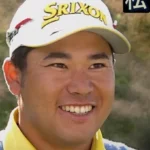
Before hitting his first balls, Hideki Matsuyama practices approach shots with one hand at a time—first his left, then his right. In this ALBA TV video, in Japanese, he explains why this exercise serves as a barometer for his entire swing, and how he then manages distance and height with his wedge.
To be continued
What the lesson shows
Matsuyama often changes his swing, and every change in his long game throws off his short game. The one-handed drill is used to Rebuild the short game and eliminate this discrepancy: Ultimately, he wants the same motion from the short wedge to the driver. He describes it as an exercise focused more on full swings than on approach shots. The goal is to “carry” the ball on the clubface, not just to hit it cleanly. With a one-handed grip, if the shaft drops, you can’t compensate; with a two-handed grip, the right hand makes up for it. He starts with 3 to 5 balls (up to 10 if it’s not going well) from about 25 yards, then plays the same distance with both hands, works up to 40 yards, switches to the 60°, and then returns to the 56°. If this exercise goes poorly, the approach shot will go poorly too: it’s his barometer.
He finds the left hand It's difficult at first but easy once you get the hang of it, because it “pulls” the club. The right hand is trickier: the clubhead drops or comes down from too high, so he keeps it as simple as possible. When it comes to distance, he uses both methods: measuring the distance when he can’t see the green, and relying on feel when the green is fully visible. He doesn’t aim for a specific takeoff height, but the height of his line of sight: The ball must fly at “his” height; otherwise, the spin changes as well. He rejects balls that bounce and won’t choose a wedge that doesn’t fly at that height.
The Exercise, Step by Step
- Start the session with 3 to 5 approaches using only your left hand, covering a distance of about 25 yards.
- Do the same series with just your right hand, without any unnecessary movements.
- If your swing isn't right, keep practicing for about ten swings.
- Play the same shot with both hands, aiming for the same feeling of carrying the ball.
- Extend up to 40 yards, switch to 60°, then return to 56°.
- Pay attention to the flight altitude: it should be at eye level.
Key Takeaways
Mistakes to Avoid
- Practice hitting the ball to “make contact” with it instead of just bringing it to the clubface.
- Let the handle tilt downward as you go downhill.
- Using only your right hand, let the clubhead drop or swing down from too high up.
- Changing your speed control approach without taking into account what you see on the green.
- Accept a ball that bounces or flies lower than usual.
Driving Range Mode
Keep it in plain sight, on the rug.
- 3 to 5 balls with the left hand, 3 to 5 balls with the right hand, about 25 yards
- Same distance with both hands
- Progress to 40 yards, then 60°, and back to 56°
- Checking the flight altitude for each set
Your Questions
Why does Matsuyama practice with one hand?
Because he often changes his swing, and the gap between his long game and short game is widening. The one-handed drill rebuilds the short game and bridges the gap between the two, with the goal of creating a single, consistent motion from the wedge to the driver.
Which hand is the hardest?
The left side is difficult at first, but easy once you get the hang of it because it pulls the club through. The right side is trickier: the clubhead drops or comes in too high, so he keeps it as simple as possible.
How many balls does he make?
Three to five shots at the start of the session, up to about ten if his form is off, at a distance of about 25 yards. He then shoots the same distance with both hands.
What is he watching as the ball flies through the air?
Height. He isn't aiming for a specific launch height, but rather the height of his line of sight. If the ball doesn't clear that height, the spin is different as well.
Learn More
Video posted on YouTube by its creator (Hideki Matsuyama). Best Golf Tips selects and summarizes the best free lessons, without hosting them.