

Pause at the Top of the Backswing: Matsuyama Explains
Hideki Matsuyama’s pause at the top of his swing is famous. In this ALBA TV video, in Japanese, he explains himself where it came from, how he sped up his transition, and what he focuses on today: keeping his hands in front of his chest at all times and keeping his lower body on the left side.
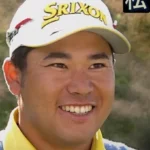
To be continued
What the lesson shows
Matsuyama says his break was unintentional. He liked the way Tiger Woods played and was looking to “hold” his left shoulder for a long time, for both the draw and the fade. He had great control over the ball that way, but his back couldn't take it, and because he was holding back too much, he started to stop at the top of the swing. In the footage, what he thought was a fluid motion had become a pause. Today, he still believes in staying facing the ball, but starts the transition earlier; in his view, a rigid swing creates tension. His other guidelines: build your swing using the long irons (in college, he worked mainly with the 7-iron, 4-iron, and driver), and keep hands in front of the chest on the backswing, at impact, and through the swing. When he gets tired, his hands drift off this axis and he doesn't hit the ball well anymore.
As for his lower body, he says he tends to “open up” too early on the left side. He’s working on Keep your weight on your left foot, leaving your right foot almost behind you: As long as his right foot doesn’t move forward, his swing doesn’t lose its path and his body axis remains solid—just like in late 2016, when he was playing his best. With his short irons, he’s particularly careful about his speed control and avoiding a shot that’s too “caught”; he avoids releasing his hands too sharply. His spin remains light (a draw of a few yards with a 9-iron, around 155 yards—a distance almost identical to his fade). It does not change either the ball's position or its trajectory: He aligns his body with the tee line. For a draw, he “drives” his right shoulder toward the target as he swings through; for a fade, his right hand stays underneath, without rotating.
The Exercise, Step by Step
- Film your swing: check to see if a feeling of “holding back” is causing you to stop at the top.
- Keep your focus on staying facing the ball, but start your downswing a little earlier.
- In slow motion, make sure your hands stay in front of your chest as you swing up and at impact.
- When going downhill, shift your weight to your left leg without letting your right foot move forward.
- For a light effect, simply align your body with the starting line, keeping the ball in the same position.
- Draw: Move your right shoulder toward the target as you cross over. Fade: Keep your right hand underneath, without rotating.
Key Takeaways
Mistakes to Avoid
- Imitating another player's feel to the point of freezing your own swing.
- Let your hands extend beyond the line of your torso, especially toward the end of the session.
- Open up too early on the left side and bring your right foot forward.
- Letting go of the reins too abruptly when riding with short irons.
- Change the ball's trajectory or position to create a simple spin.
Driving Range Mode
Keep it in plain sight, on the rug.
- Swing films from the front to identify a stop at the top
- Slow-motion view of the hands in front of the chest
- Finish with weight on the left foot, right foot left behind
- Short irons: a slight draw followed by a slight fade toward the same target, same ball position
Your Questions
Why did Matsuyama pause at the top of his swing?
He explains that he was trying to hold his left shoulder back for a long time—a sensation he liked in Tiger Woods. By holding it back too much, his swing froze at the top, even though he thought he was making a fluid motion.
What has changed?
He still believes in staying facing the ball, but he starts his transition earlier. In his view, staying frozen creates tension.
What does he mean by “leaving the right foot behind”?
He tends to open up too early on the left side. He’s working on keeping his weight on the left side while leaving his right foot almost behind; as long as his right foot doesn’t come forward, the swing doesn’t drop.
How does he hit draw and fade shots with his short irons?
With a light swing and the same ball position, he aligns his body with the tee line without changing his swing path. For a draw, he moves his right shoulder toward the target; for a fade, his right hand stays underneath, without rotating.
Learn More
Video posted on YouTube by its creator (Hideki Matsuyama). Best Golf Tips selects and summarizes the best free lessons, without hosting them.