

Scheffler and McIlroy's Wedge Workshop: Chips and Bunkers
Why do the world's two best players talk about a draw around the green? Along with Chris Trott, Scottie Scheffler and Rory McIlroy go from a tight lie to the rough and then to the bunker, and always come back to the same idea: a flat swing and a draw feel to strike the ball better.
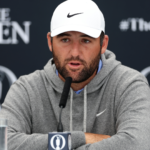
To be continued
What the lesson shows
Rory McIlroy reenacts his chip from the Ryder Cup in Rome: weight on his left foot, club coming down flat, and glides while using the full bounce of the sole, to the point where he feels he could almost touch the ground before the ball. He always aims to chip “shallow”: the leading edge doesn’t dig in, and the low point is better controlled. Scheffler, using a 60° wedge, first sees a low blow, which allows for the most leeway: a deep return, the feeling of a long right arm during the backswing without bending the wrists.
To hit a higher shot, Scheffler opens the clubface, moves the ball forward, and keeps the a slight draw: With a fade, he digs into the sand; with a draw, he gets even more spin. McIlroy also favors the draw, which helps him strike the ball in the center of the clubface. In the rough, it’s the same idea: a long, flat swing, à la Steve Stricker or Jason Day, unless the ball is buried very deep. In the bunker, open the clubface before gripping the club, shift your weight to the left, and “throw” the bounce under the ball: the sand carries the ball out, and it’s all about the club’s path.
The Exercise, Step by Step
- Tight stance: Shift your weight to your left foot, let the club come down flat, and let it glide along its sole.
- Simple chip shot: With an almost square stance, aim for a landing spot two or three meters onto the green.
- Low swing: Position the ball back in the stance; keep your right arm long during the backswing without bending your wrists.
- High shot: Open the clubface, move the ball forward, and maintain the feel of a slight draw.
- Rough: a long, flat swing, with the club gliding under the ball.
- Bunker: Open up the clubface to get a good grip, shift your weight to the left, then let the clubhead rebound under the ball.
- To work on your swing path at the bunker, draw a line toward the target, place your left heel on it, and align the club shaft with that line.
Key Takeaways
Mistakes to Avoid
- If you come down too steeply: the leading edge digs in, or the ball goes thin.
- Open the clubface after taking your grip at the bunker: your hands close it at impact.
- Feeling a fade around the green, which causes the ball to dig in.
- Pull the handle to the left, which causes the contacts at the tip to close.
- Choosing a high shot when the slope calls for a low shot.
Driving Range Mode
Keep it in plain sight, on the rug.
- Chips in thicker grass, trying to take up as little turf as possible
- Same target with a low shot and then a high shot; a draw feel in both cases
- Bunker: line drawn toward the target, left heel on it
- Compare your perception with reality by looking at the direction of the divot
Your Questions
How did Rory McIlroy execute his chip shot in the Ryder Cup?
All his weight is on his left side; the club comes down flat and glides, taking full advantage of the sole's bounce. It almost feels like it's going to hit the ground before the ball; the slight downward angle helped him.
Why look for a draw feel on a chip?
Scheffler explains that when he feels a fade, he swings down deeper, whereas a draw keeps the swing plane flat and even gives the ball more spin. McIlroy adds that this allows him to strike the ball more often in the center of the clubface.
How does Scheffler practice being “shallow”?
At home, on thicker grass, trying to take up as little turf as possible. Practicing on rough grass makes it easier to make good shots.
Why open up the clubface when taking the grip at the bunker?
If you take your grip normally and then open the clubface, your hands tend to close it again at impact. First, open the clubface, take your grip, and then let the clubhead rebound under the ball.
Learn More
Video posted on YouTube by its creator (Scottie Scheffler). Best Golf Tips selects and summarizes the best free lessons without hosting them.